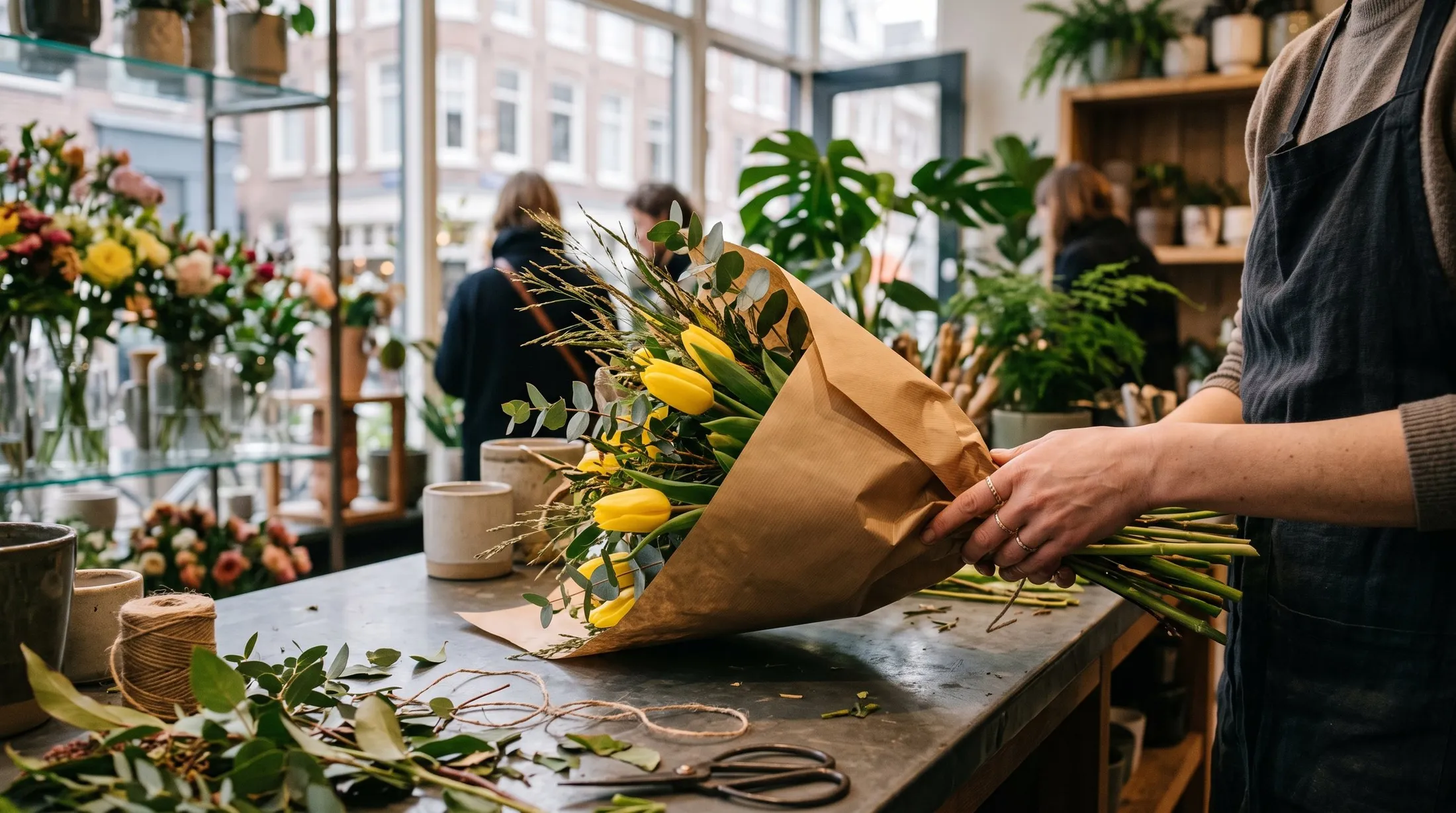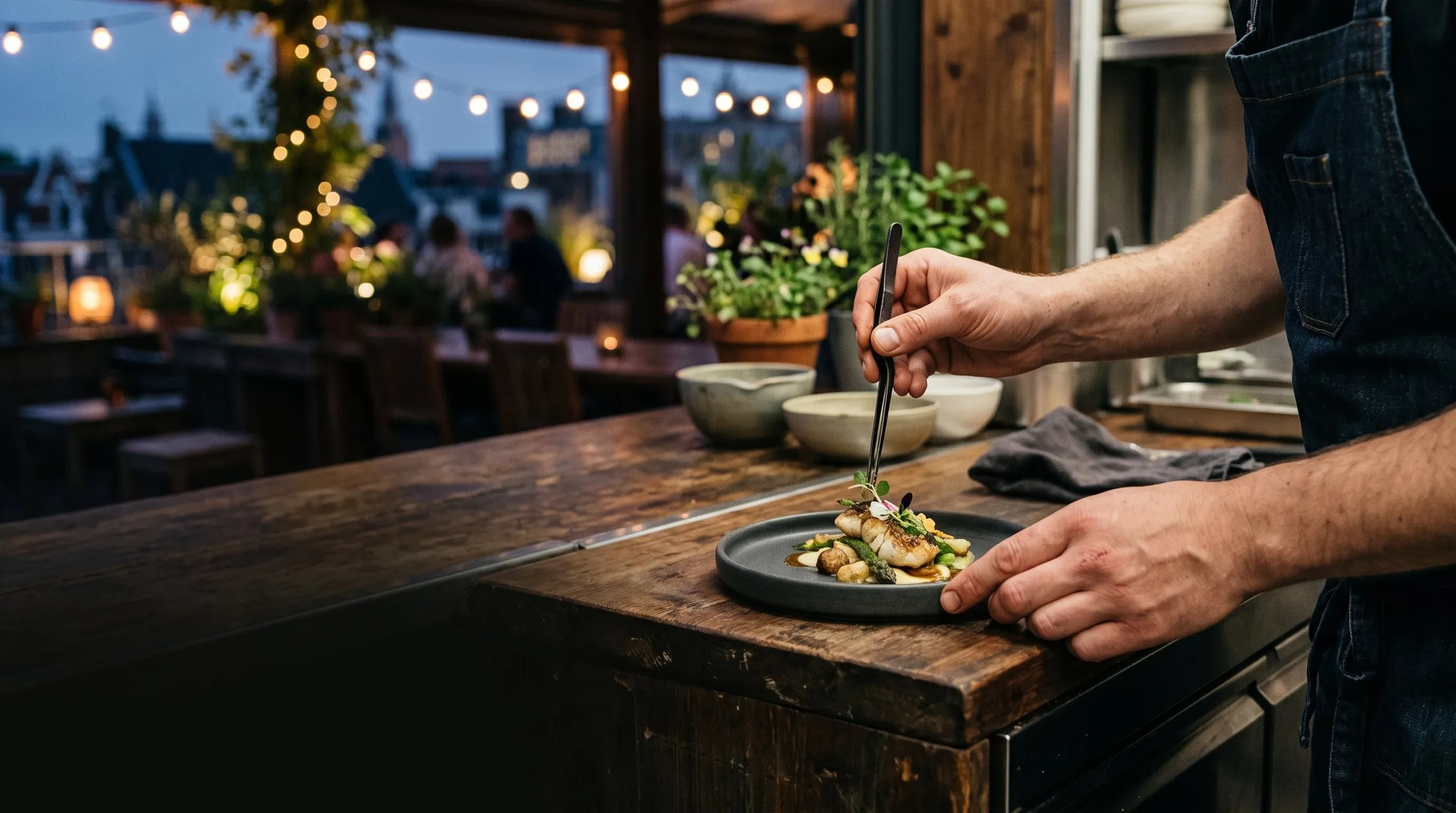
Make the site.
Take the bookings.
Get paid.
Forms, bookings, tickets, a shop and visitor numbers. All built in. Edit the site yourself, or ask an agent to.
While you were working.
Someone booked a table. Someone asked for a price. Someone paid for two mugs.
You found out afterwards, in one list.
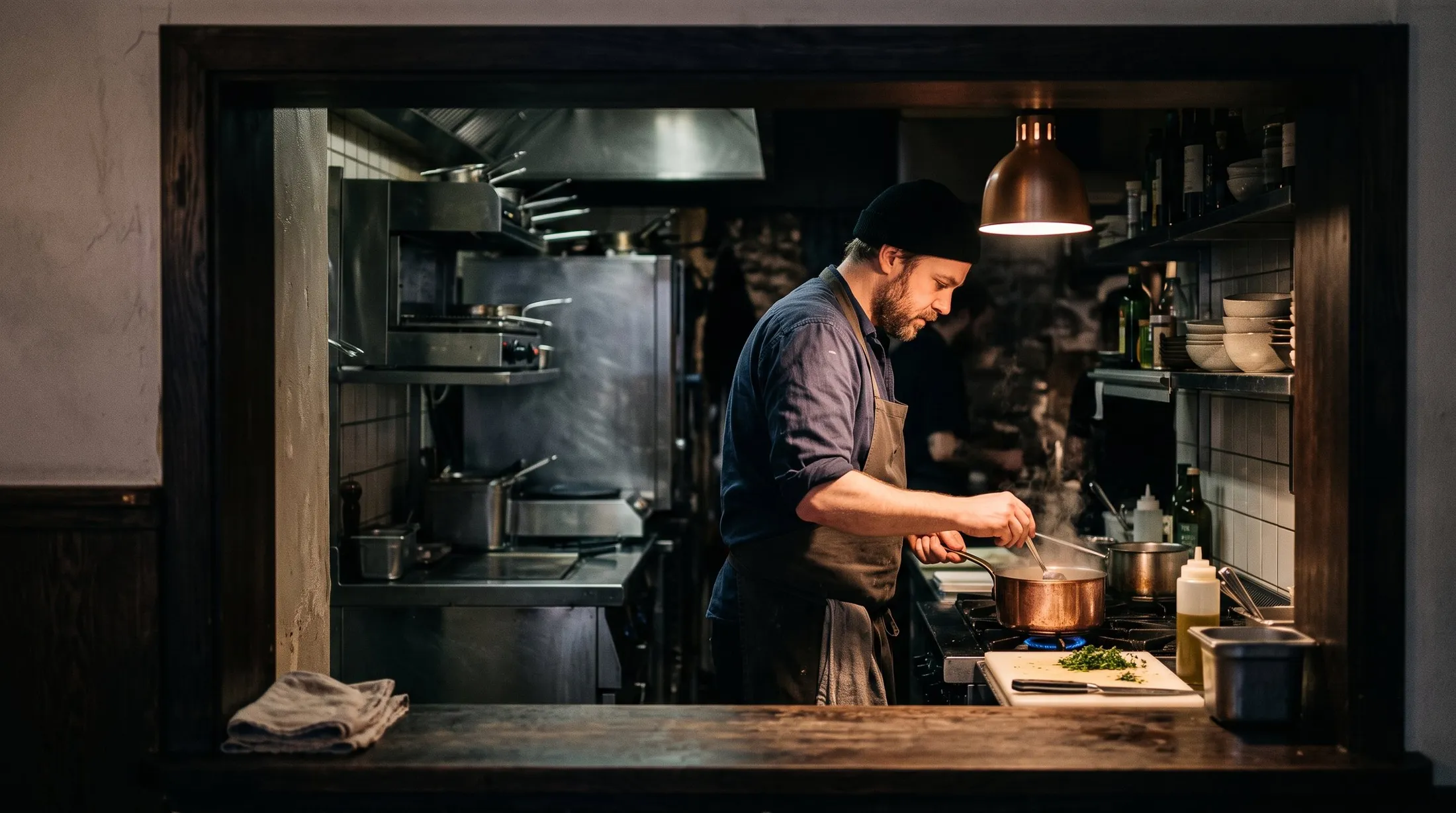
Table for four.
Nobody picked up a phone.
Four things, already in the box.
Not add-ons, not embeds from somewhere else. Each one has its own settings, its own records, and a widget the page draws for the visitor.

A question arrives, already checked. Stored, and in your inbox.
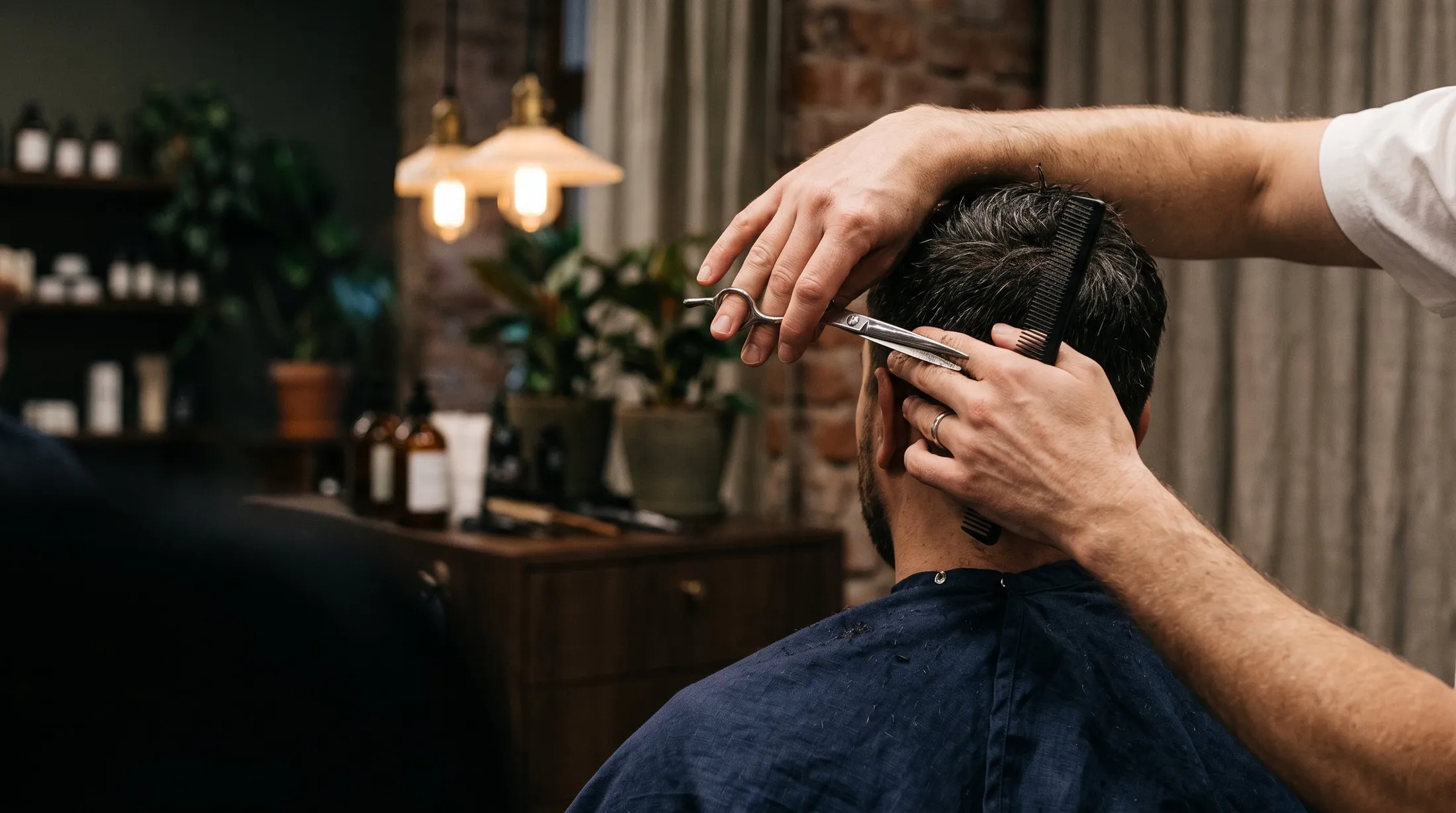
A table, a room, or an hour with you. Held, then confirmed.
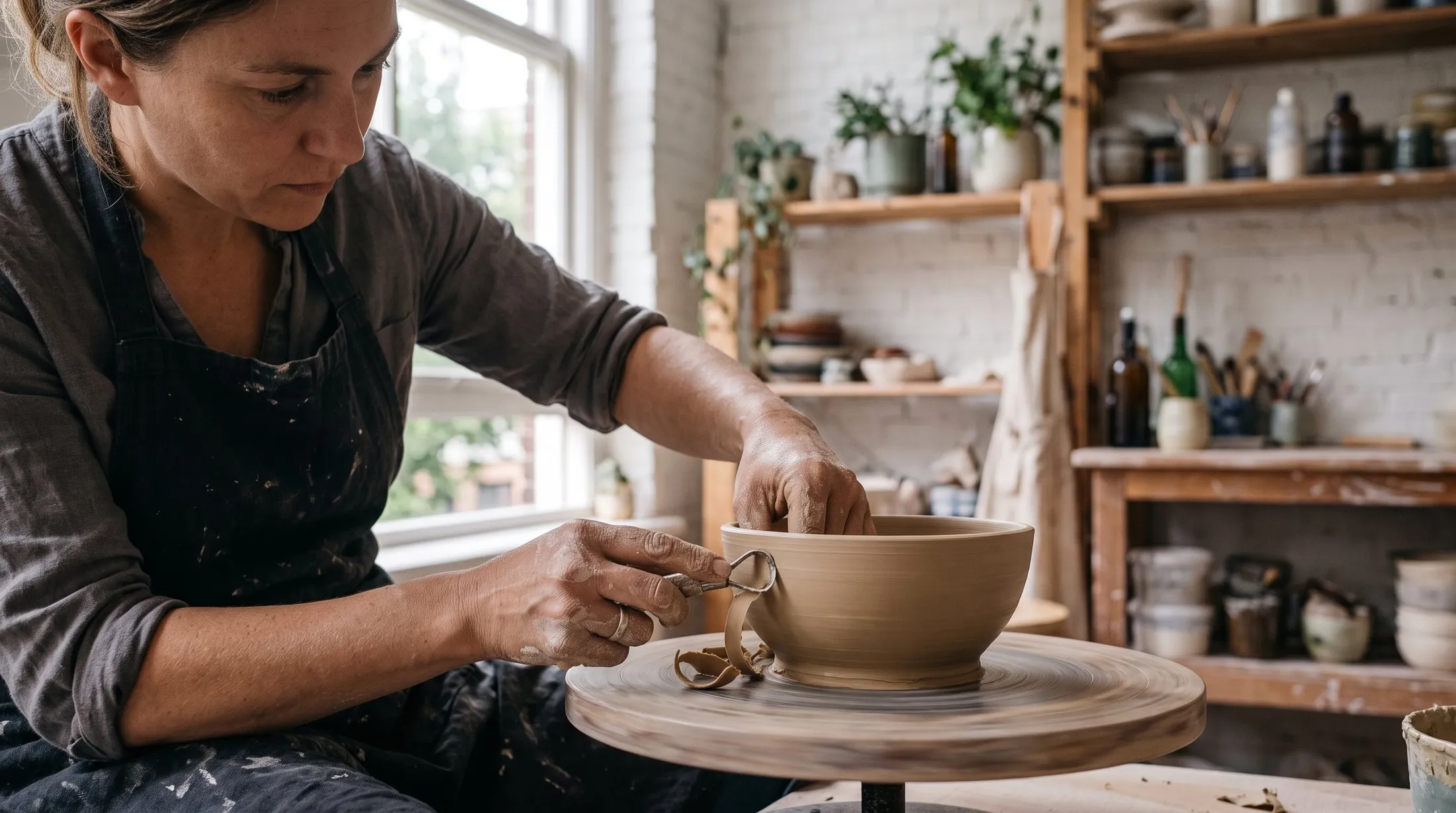
Something to post, something to download, something that renews.
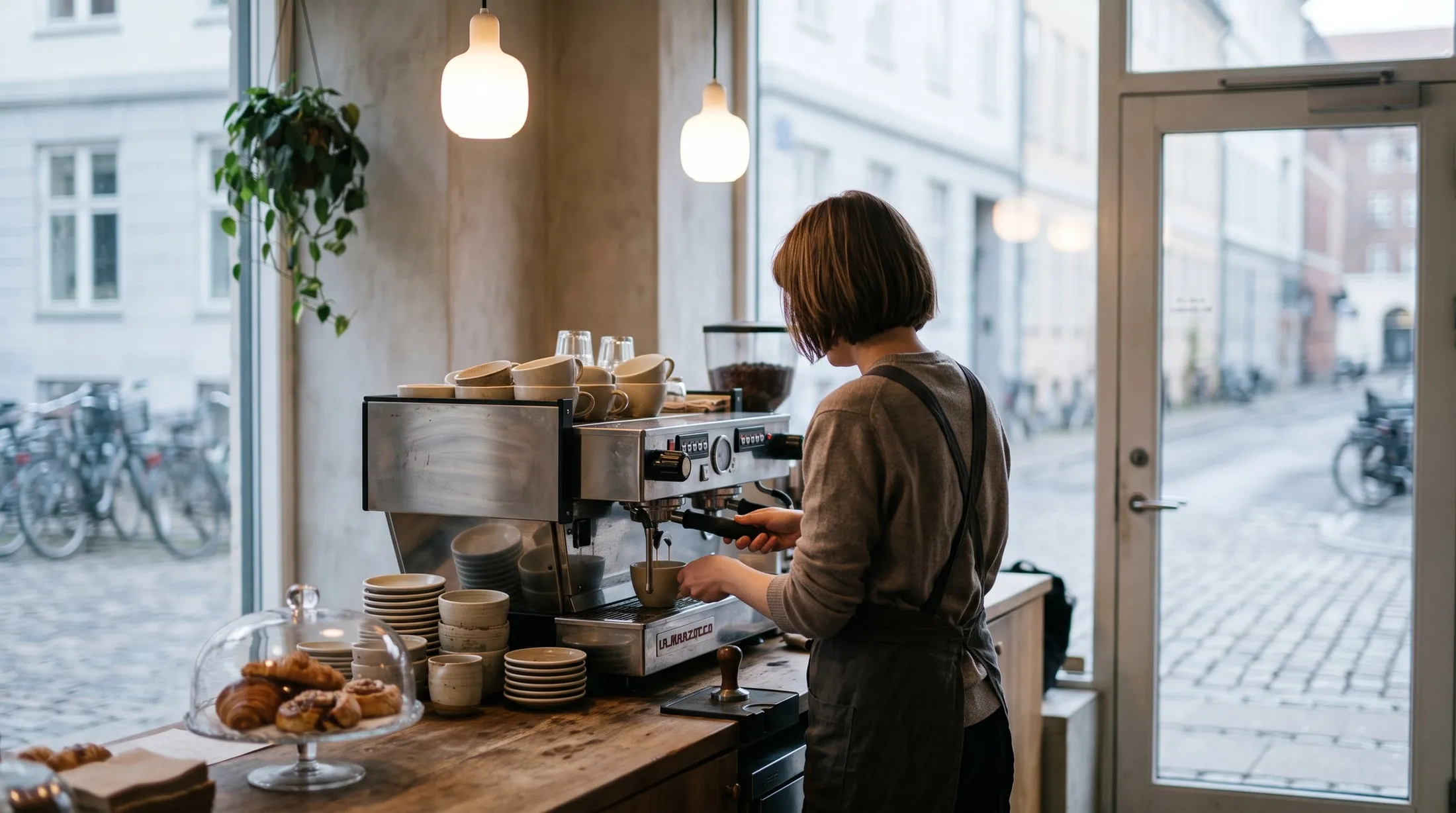
Who came, and where from. Nothing to consent to.
Three things happen.
One place to look.
Enquiries, bookings and orders land in the same inbox, newest first. Every row still opens the real record it came from.

Doors at eight.
The list is already at the door.
Occurrences, tiers and a code that scans. The seat count is fetched when someone asks, never baked into the page.
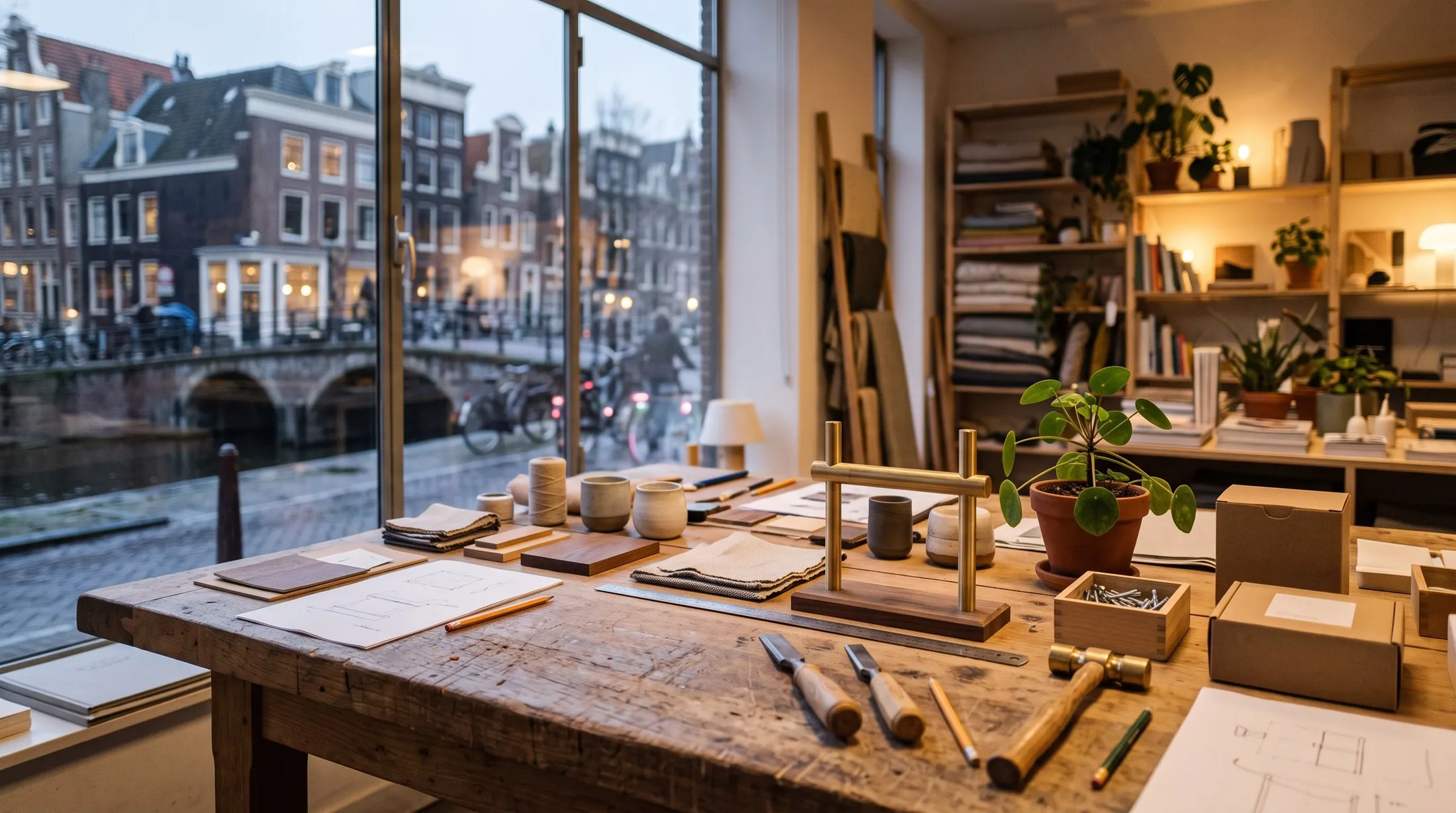
Built by asking.
Every button in the editor is also a tool an agent can call. Same checks, same validation. This page was written that way, from a terminal.
“Start a site for the studio, in English and Dutch.”
“Use the amber, on near black.”
“Put the contact form on the contact page.”
“Show me that page on a phone.”
Four kinds of business.
Four different jobs.
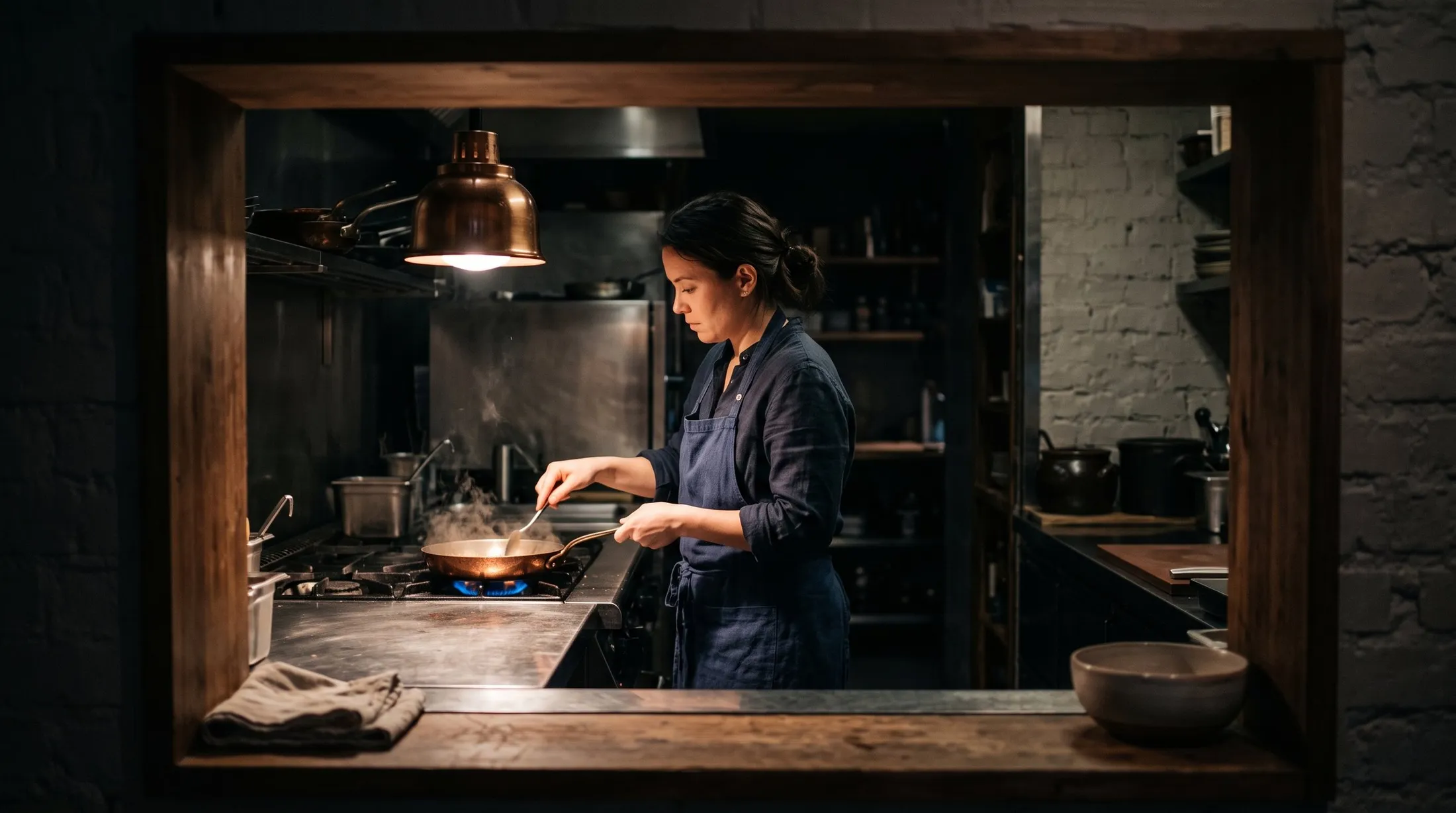

Write it once.
Serve it twice.
English and Dutch on one site. Change the English sentence and the Dutch one stays attached to it. The switcher is plain links, so it works with no script at all.
Make the site. Take the bookings. Get paid.
Maak de site. Neem de boekingen aan. Word betaald.
Make one page tonight.
An account, a starting point, and a form that sends you a real email. Nothing is public until you say so, and the domain is the very last step.