
Four kinds of business.
Four different jobs.
Each of these is written against what the platform actually does for that kind of place: which modules carry the weight, and what the setup looks like on day one.
Most sites here use two of the four.
Nothing has to be decided before you begin. Turn a module on the week you need it, and leave the rest switched off.

Covers booked while
the kitchen is running.
Tables are allocated from the party size, so two bookings never get the same table. Holds keep a slot while somebody is still typing, and a deposit can be taken before the slot is confirmed.
A shelf that keeps
selling overnight.
Physical, digital and subscription products in one catalogue. The listing on the page is a repeater you design once, so the shop looks like the rest of the site instead of a storefront you inherited.

Doors at eight.
The list is already at the door.
Generate a whole run of nights at once rather than making twelve events, then sell tiers into the same cart your products use.
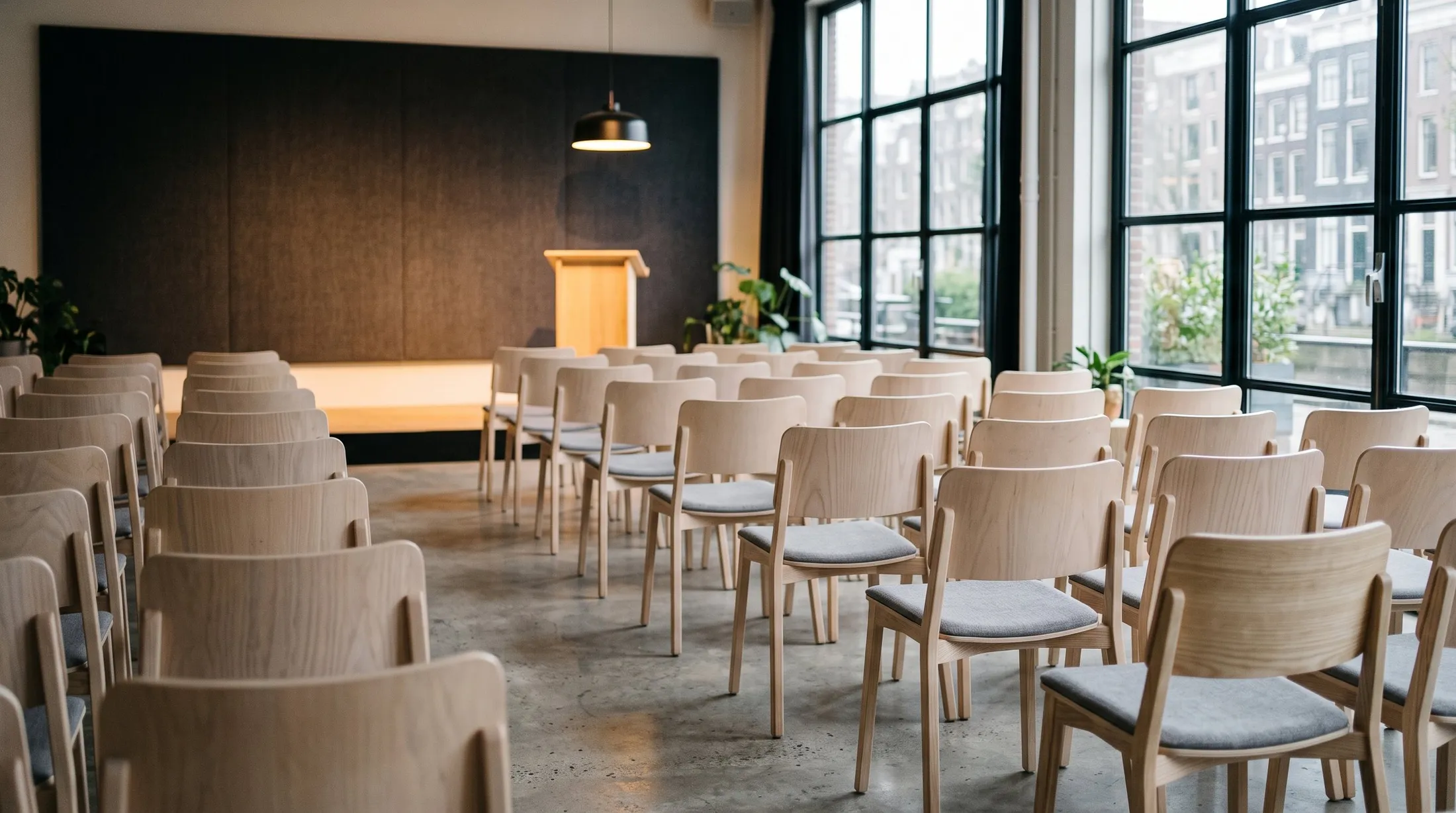
Occurrences, tiers,
and a code that scans.
One event, a run of nights, and ticket types with their own prices and allocations. Check in is its own screen, and the door list is the same record as the sale.
Enquiries that arrive
already sorted.
One form, validated twice, landing in the same inbox as everything else. Then a calendar for the call that follows, with buffers so the day is not booked end to end.

Turn one module on.
Then the next.
A site with one page and a working contact form is a finished thing. Everything else can wait until the week it earns its place.
Start with the one that pays first.
Nothing is published until you say so, and the domain is the very last step.